

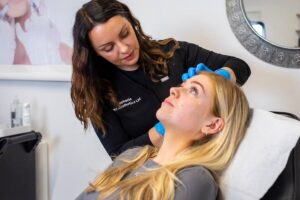

The idea of using tiny needles on your face might sound a bit intense, but this popular skincare treatment is one of the most effective ways to achieve smoother, firmer, and more youthful-looking skin. Known as microneedling, or collagen induction therapy, this procedure harnesses your body’s natural healing abilities to deliver remarkable improvements. Let’s explore how these tiny needles work their magic.
What is Microneedling?
Microneedling is a minimally invasive cosmetic procedure that involves using a special device equipped with fine, short needles. This device is passed over the skin, creating thousands of microscopic punctures in the top layer. Don’t worry—it’s much gentler than it sounds! These controlled micro-injuries are the key to the treatment’s success. They signal your body to kickstart its natural repair process, stimulating the production of two essential proteins: collagen and elastin.
Collagen provides structure and firmness to your skin, while elastin gives it elasticity. As we age, the production of both slows down, leading to common signs of aging like wrinkles and sagging. By triggering a fresh surge of collagen and elastin, microneedling helps rebuild your skin from the inside out.
The Big Benefits of Tiny Needles
The boost in collagen production leads to a wide range of visible benefits. Microneedling is highly effective at improving overall skin texture and tone. It can significantly reduce the appearance of:
- Fine lines and wrinkles
- Acne scars and other types of scarring
- Enlarged pores
- Hyperpigmentation and sun spots
- Stretch marks
Another advantage is that the micro-channels created during the treatment allow for deeper penetration of topical skincare products. This means your serums and moisturizers can work more effectively, enhancing your results.
Is Microneedling Right for You?
Microneedling is safe for most skin types and tones. It’s an excellent option for individuals looking to address the concerns listed above without resorting to more invasive procedures. If you want to rejuvenate your complexion, diminish scars, or simply achieve a healthy glow, you could be a great candidate. However, it’s generally not recommended for those with active skin infections, acne, or conditions like eczema or rosacea.
Aftercare and What to Expect
Following your treatment, your skin will likely be red and feel a bit like a mild sunburn for about 24 to 48 hours. This is completely normal. Proper aftercare is crucial for optimal results. Your practitioner will advise you to keep your skin clean, moisturized with gentle products, and protected from the sun with a high-SPF sunscreen. Avoiding harsh exfoliants and direct sun exposure for a few days will help your skin heal beautifully, revealing a fresher, more radiant complexion.