

Forget rough texture and uneven tone. Chemical peels offer a highly effective way to strip away damage and reveal a fresh, glowing complexion. This guide breaks down exactly what chemical peels are and how they work to rejuvenate your appearance. You will learn about their key benefits, the different types available, and why they remain a staple in modern skincare routines.
What Are Chemical Peels and How Do They Work?
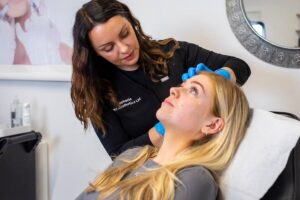
A chemical peel is a non-invasive skin resurfacing treatment. A trained aesthetic professional applies a specialized chemical solution directly to your skin. This solution carefully dissolves the bonds holding dead, damaged cells together on the surface of your face.
Once these bonds break, the top layers of your skin naturally peel off over the following days. This controlled exfoliation forces your body into repair mode. As your skin heals, it pushes fresh, healthy cells to the surface. It also stimulates collagen production, leaving you with a firmer, smoother foundation that looks noticeably younger.
Key Benefits for Texture and Tone
People love chemical peels because they tackle multiple skin concerns at once. By removing the damaged outer layer, peels dramatically improve your skin’s overall texture. They smooth out rough patches, soften fine lines, and minimize the appearance of enlarged pores.
Furthermore, they are incredibly effective at correcting uneven skin tone. Peels can fade stubborn hyperpigmentation, sun damage, and dark age spots. They also clear out congested pores, making them a fantastic tool for managing active acne and reducing shallow acne scars. Ultimately, they leave you with a bright, luminous complexion.
Exploring the Different Types of Peels
Skincare professionals categorize chemical peels by how deeply they penetrate your skin. Your practitioner will choose the right depth based on your specific goals and skin type.
- Light Peels: These superficial peels use mild acids like Alpha Hydroxy Acids (AHAs) or Salicylic Acid. They gently exfoliate only the outermost layer of skin. You get an immediate glow with practically zero downtime, making them perfect for a quick refresh.
- Medium Peels: These use stronger solutions, such as Trichloroacetic Acid (TCA), to reach the middle and outer layers of skin. They effectively target deeper wrinkles, moderate sun damage, and stubborn pigmentation. You can expect a few days of visible peeling and redness.
- Deep Peels: Using potent chemicals like phenol, these peels penetrate the deeper layers of the dermis. They offer dramatic results for severe wrinkles and deep scars. However, they require significant recovery time and strict medical supervision.
Safety and Effectiveness
When performed by a licensed professional, chemical peels are highly safe and predictable. Decades of clinical use back their effectiveness. Practitioners can easily customize the strength of the acid to match your exact skin needs and tolerance levels.
Because they do not involve needles or surgery, they serve as a perfect non-invasive option for facial rejuvenation. Most light and medium peels carry minimal risks and deliver long-lasting, visible improvements to your skin’s overall health and appearance.
Ready for a Brighter Complexion?
Chemical peels provide a straightforward path to smoother, more vibrant skin. They sweep away dullness and help your natural beauty shine through. If you want to transform your skin texture and tone, book a consultation with Ness Aesthetics. We will assess your skin closely and design a customized peel plan to help you achieve your aesthetic goals.