


Most people think about Botox reactively — once a line has become noticeable enough to bother them. But there is a growing conversation in aesthetic medicine about a different kind of timing: treating expression patterns early, before repeated movement etches permanent creases into the skin.
Understanding this shift in thinking helps explain not just what Botox does, but why the timing and approach behind treatment matter so much. Whether you are looking to soften lines that have already formed or prevent deeper ones from developing, knowing how the treatment actually works makes it easier to make an informed decision.
Why Facial Movement Patterns Matter
Every facial expression you make — frowning, squinting, concentrating — contracts a specific group of muscles. Those contractions fold the skin above them. When skin is young and elastic, it bounces back cleanly. As collagen levels decline with age and skin loses some of that elasticity, the folds begin to leave a trace.
At first, lines are only visible during movement. Over time, with enough repetition, they start to appear at rest too. This is the point when most people begin looking for solutions — but by then, the skin has already adapted around a repeated movement pattern.
The argument for earlier treatment is straightforward: reducing the frequency and intensity of those muscle contractions can slow the process. The skin has fewer opportunities to fold in the same place, which means lines are less likely to become deeply set.
This does not mean starting Botox the moment any line appears. It means that for patients with particularly strong expression muscles or early signs of fixing lines, earlier assessment and treatment can be a sensible, proportionate choice.
How Botox Works
Botox works by temporarily blocking the nerve signals that instruct specific facial muscles to contract. With those signals reduced, the muscle relaxes, and the skin above it softens.
It is a localized, precise treatment. Only the targeted muscles are affected — surrounding muscles continue to move normally. This precision is what allows a skilled practitioner to reduce unwanted lines while preserving the natural expressiveness that makes a face look alive.
Effects generally take seven to fourteen days to develop fully and last around three to four months. Patients who maintain regular treatment over time often find that the muscles soften gradually and require less product to achieve the same result.
What Makes Subtle Botox Successful
Subtlety in Botox is not just about using less product. It is about understanding how the muscles of the face interact, how each patient’s anatomy is unique, and what the minimum effective dose actually looks like for that individual.
Results that look frozen or unnatural almost always come down to the same issue: a standardized approach applied to a face that needed a personalized one. Good Botox should make people wonder why you look so well-rested — not notice that you have had something done.
This is why the assessment before treatment is every bit as important as the injection itself.
Why Assessment by a Qualified Practitioner Matters
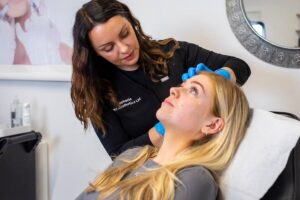
A thorough consultation involves more than deciding which areas to treat. It means observing how your face moves, identifying which muscles are most active, understanding your aesthetic goals, and designing a plan that respects your features rather than overrides them.
At Ness Aesthetics, that assessment-first approach underpins every treatment. As a nurse-led, CQC registered clinic in Stourport, we combine clinical expertise with a genuine commitment to natural-looking, patient-centered results.
If you are considering Botox — whether to soften existing lines or stay ahead of ones developing — book a consultation with Ness Aesthetics. We will assess your face, talk through your goals honestly, and recommend only what makes sense for you.