

Botox has become one of the most recognizable names in aesthetic medicine. Yet despite how widely used it is, there are still plenty of misconceptions about what it actually does, how it works, and what results should realistically look like. If you are considering Botox for the first time — or reassessing after a less-than-ideal experience elsewhere — this guide covers the essentials.
What Botox Actually Does
Botox is a purified neuromodulator. Its active ingredient, botulinum toxin type A, works by temporarily interrupting the nerve signals that tell specific facial muscles to contract. With those signals blocked, the targeted muscle relaxes. The skin above it softens.
That is the entire mechanism. It does not fill, plump, or resurface anything. It simply reduces muscular activity in a precise, localized area — which is why placement, dose, and technique matter so much.
Understanding Dynamic Wrinkles
To understand why Botox works where it does, it helps to know what dynamic wrinkles are.
Your face makes thousands of expressions every day — raising your eyebrows, squinting in sunlight, concentrating over a screen. Each of those movements contracts a muscle, which folds the skin above it. When you are young, the skin springs back. As collagen levels decline and skin loses elasticity over time, those repeated folds start leaving a trace. Eventually, lines become visible even when your face is at rest.
These are dynamic wrinkles — lines formed by movement, not just by volume loss or gravity. Because they are caused by muscle activity, reducing that activity is an effective way to soften them.
Botox is specifically suited to dynamic wrinkles. It is not the right tool for every line, which is why good practitioners take time to assess what is actually driving your concerns.
Where Botox Is Commonly Used
The most frequently treated areas include:
- Forehead lines — horizontal creases that form when eyebrows are raised
- Glabellar lines — the vertical creases between the brows, sometimes called the “elevens”
- Crow’s feet — the fine lines that fan outward from the corners of the eyes
Beyond these classic areas, Botox is also used to soften chin dimpling, reduce a downward pull on the corners of the mouth, slim the jawline by relaxing the masseter muscle, and address excessive sweating in certain cases.
What Good Botox Should Look Like
The goal of well-placed Botox is not a frozen face. It is a face that looks rested, refreshed, and expressively natural. You should still be able to raise your eyebrows, smile fully, and show emotion. What changes is the depth of the lines and the degree of muscular tension — not your ability to move.
When people describe Botox results they did not like, the issue is almost always over-treatment or poor placement. A skilled practitioner uses the minimum effective dose, understands facial anatomy, and considers how each muscle interacts with the others around it.
What to Know Before Your Treatment
A few things worth keeping in mind before you book:
Results take time to appear. You will typically see the full effect within seven to fourteen days, not immediately after the appointment.
Dosing is individual. The amount used varies based on muscle strength, facial anatomy, and personal preference. What works for someone else may not be right for you.
Maintenance is part of the process. Effects generally last three to four months. Regular treatment, over time, can help lines become less pronounced because the muscles are used less frequently.
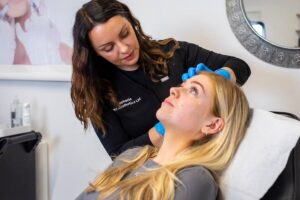
Consultation matters. A proper consultation — where your practitioner assesses your face, listens to your goals, and discusses realistic outcomes — is not a formality. It is how good results are built.
Botox works best when it is treated as a precision tool, not a blanket solution. The right approach, the right dose, and the right practitioner make all the difference.
If you are considering a treatment and would like expert advice on the best option for your skin, book a consultation with Ness Aesthetics today. We will help you build a personalised plan for clearer, brighter, healthier skin.